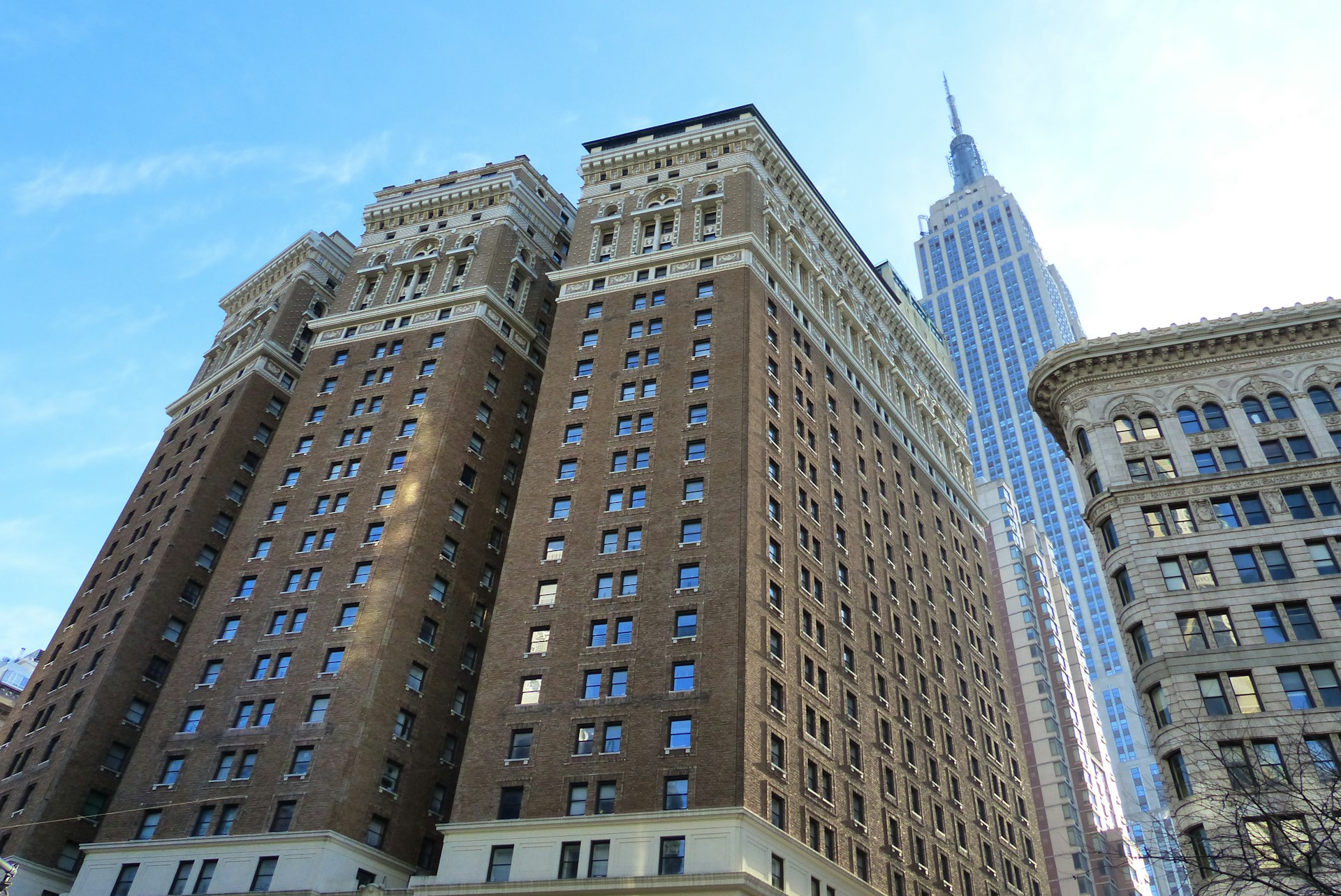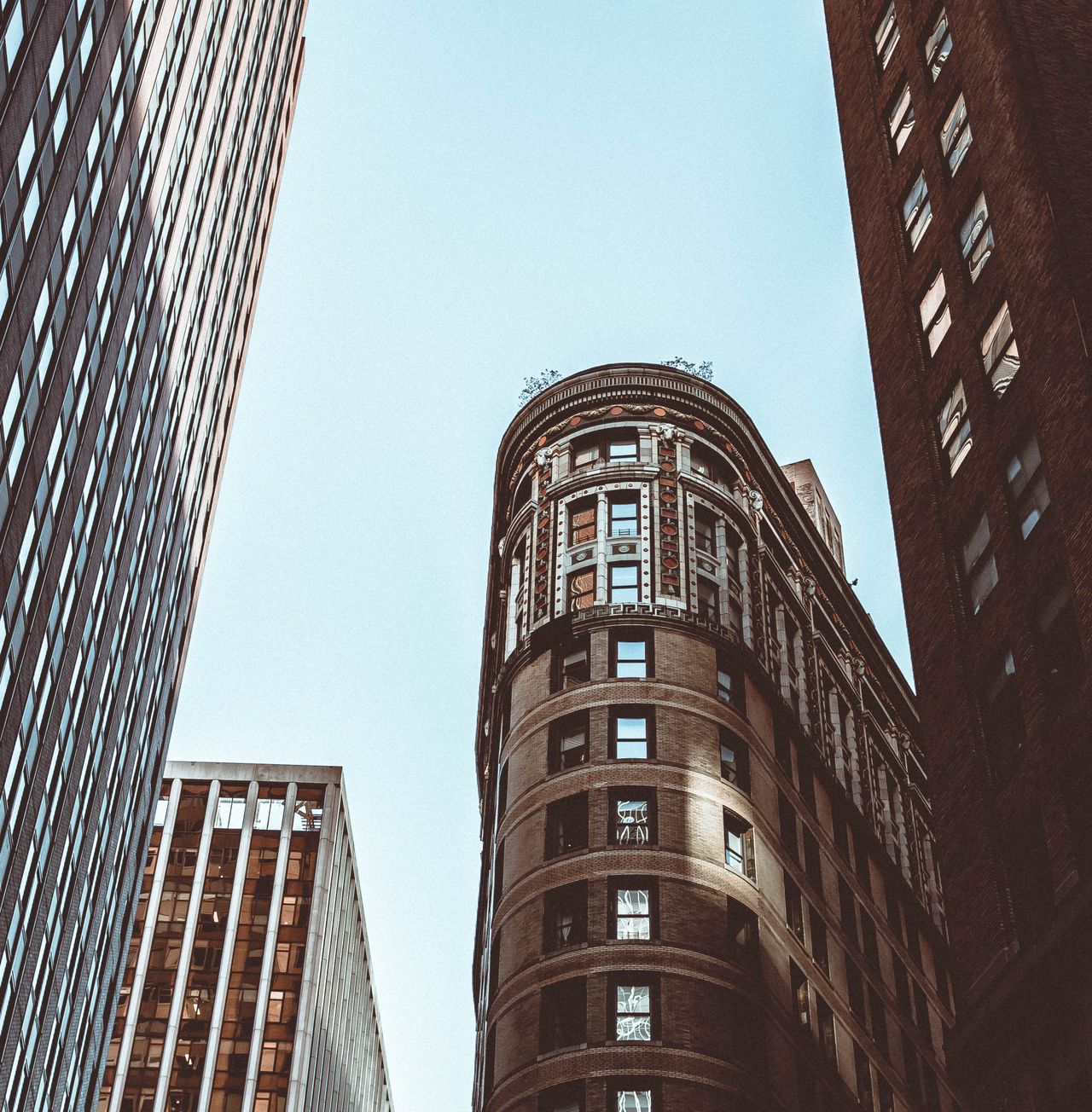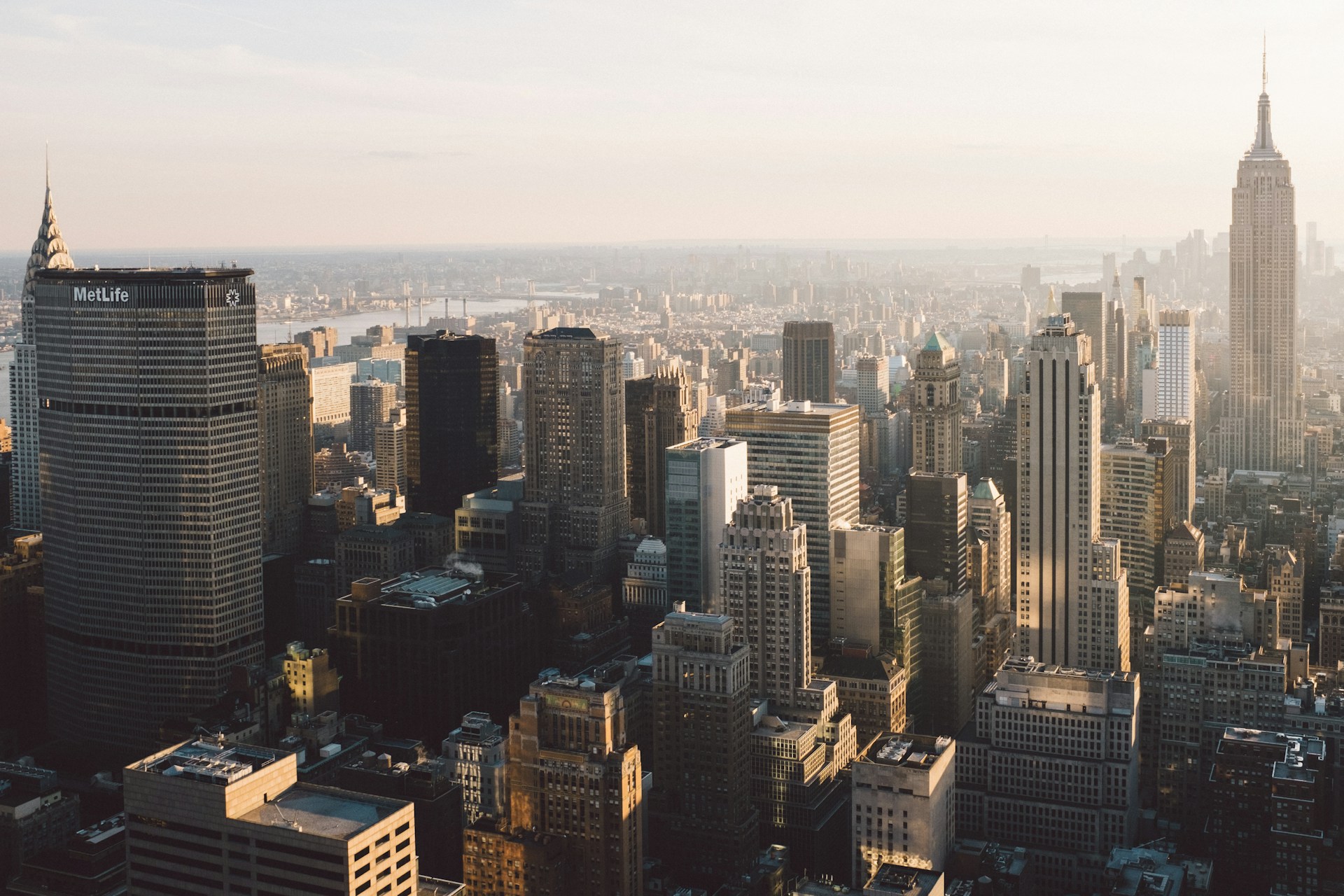
Commercial & residential window cleaning in New York City has always been a high stakes operation. The sheer height of skyscrapers, the density of the urban environment, and the constant need for safety compliance make traditional methods involving riggers, scaffolding, and cherry pickers time consuming and incredibly expensive.
Today, a paradigm shift is underway: drone technology is transforming commercial window cleaning from a perilous, logistics heavy task into a streamlined, high tech operation. For building managers and commercial property owners in the five boroughs, drone cleaning isn’t just an innovative idea; it is the most efficient and safest way to maintain gleaming glass facades.
1. Safety First: Drone Technology Eliminates Human Risk
The single most compelling reason for adopting drone technology is the dramatic improvement in worker safety. Traditional high rise window washing consistently ranks as one of the most dangerous jobs, resulting in serious fall related injuries and high liability costs.
Drone cleaning entirely removes the human element from working at dangerous heights.
- Ground Operation: The entire washing unit, including the water tanks and power source, stays safely on the ground. The certified pilot controls the drone remotely, directing its movements and cleaning sprays.
- Reduced Liability: For building owners, this shift translates into significantly lower insurance risk and reduced liability exposure compared to hiring crews that require specialized rigging and safety harnesses hundreds of feet in the air.
This commitment to safety is a non negotiable benefit in a densely populated, heavily regulated environment like New York City.
2. Drone Technology: Unmatched Efficiency and Speed
In New York, time is money. Scaffolding setup and teardown alone can take hours or even days, often requiring permits and blocking pedestrian traffic. Drones offer an unprecedented level of operational efficiency.
- Rapid Deployment: Drones can be deployed and operational within minutes. They don’t require external rigging or heavy equipment setup on the street.
- Consistent Application: Equipped with precision nozzles, drones apply cleaning solution and purified water rinse with an accuracy and consistency that minimizes streaking and missed spots, often surpassing the results of manual scrubbing on difficult to reach glass panels.
- Minimal Disruption: The compact footprint of a drone operation means minimal noise and zero disruption to building tenants, vehicle traffic, or pedestrian walkways, solving a major logistics headache for commercial districts.
3. Reaching Architectural Complexity
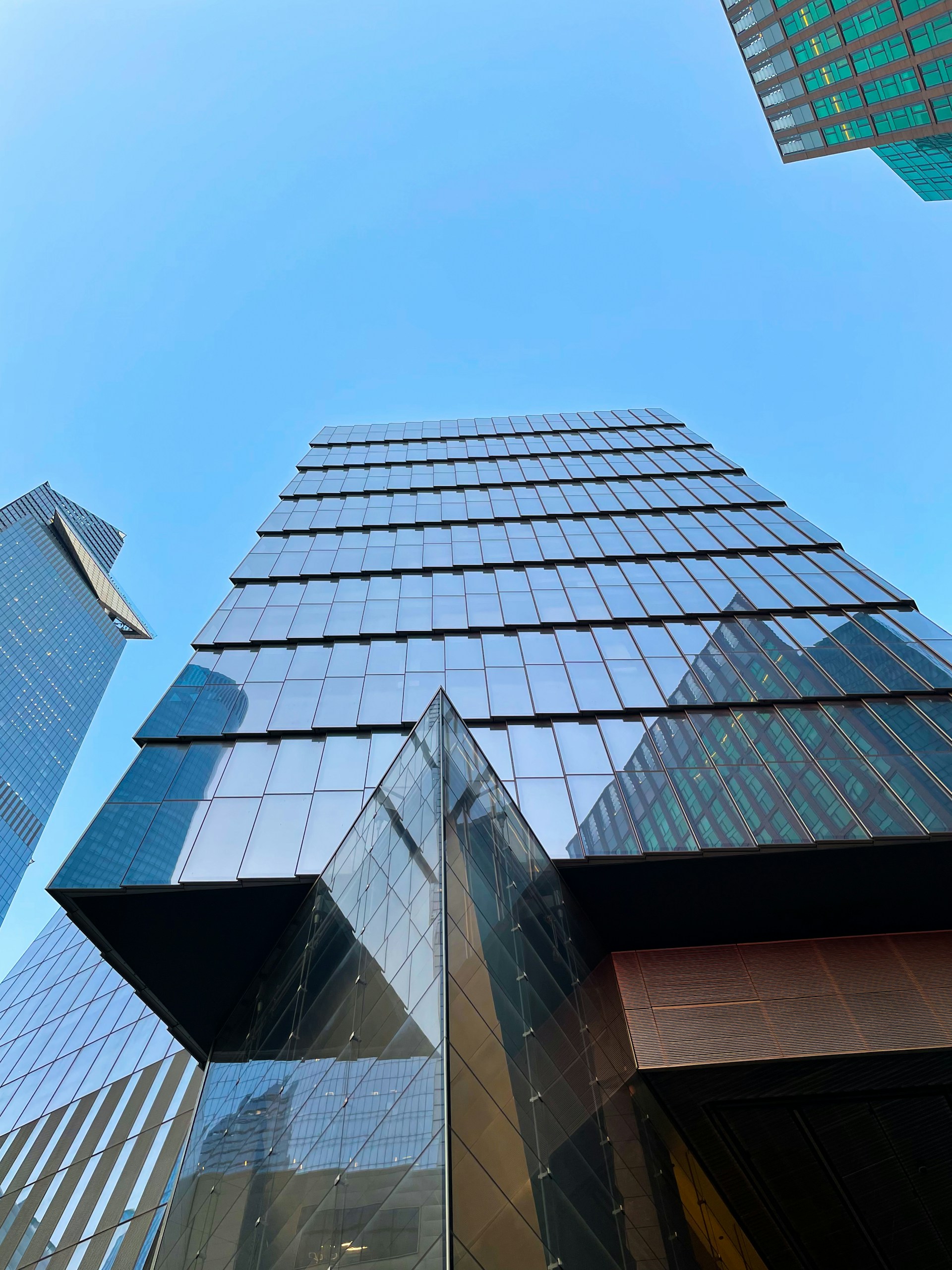
Modern commercial architecture often features complex angles, overhangs, and recessed windows that are difficult, if not impossible, to reach safely and cost effectively with traditional lifts or swing stage equipment.
Drones are the ideal solution for these complicated facades. Their multi-axis mobility allows them to:
- Navigate Tight Spaces: Drones can maneuver into small gaps, behind architectural features, and underneath soffits with ease.
- Scale Extreme Heights: They handle the immense heights of Manhattan skyscrapers without the need for cumbersome and slow vertical transportation systems.
4. The Future of Maintenance is Autonomous
The current generation of cleaning drones & Drone Cleaning Service is just the beginning. The future will involve increasingly autonomous systems that use sophisticated sensors and GPS mapping to memorize a building’s entire facade.
By utilizing purified water systems that leave glass spot free without residue, and by requiring only a single, ground based operator, drone cleaning is a clear economic winner. It delivers superior results, faster turnaround, and a safer job site, ensuring that the glass towers of New York remain clean, brilliant, and efficiently maintained for decades to come.
For property owners and facility managers who need commercial window cleaning in New York, NY Drone Cleaning provides drone-powered cleaning for high-rise, mid-rise, and difficult-to-access exterior windows. Explore our commercial drone window cleaning services.